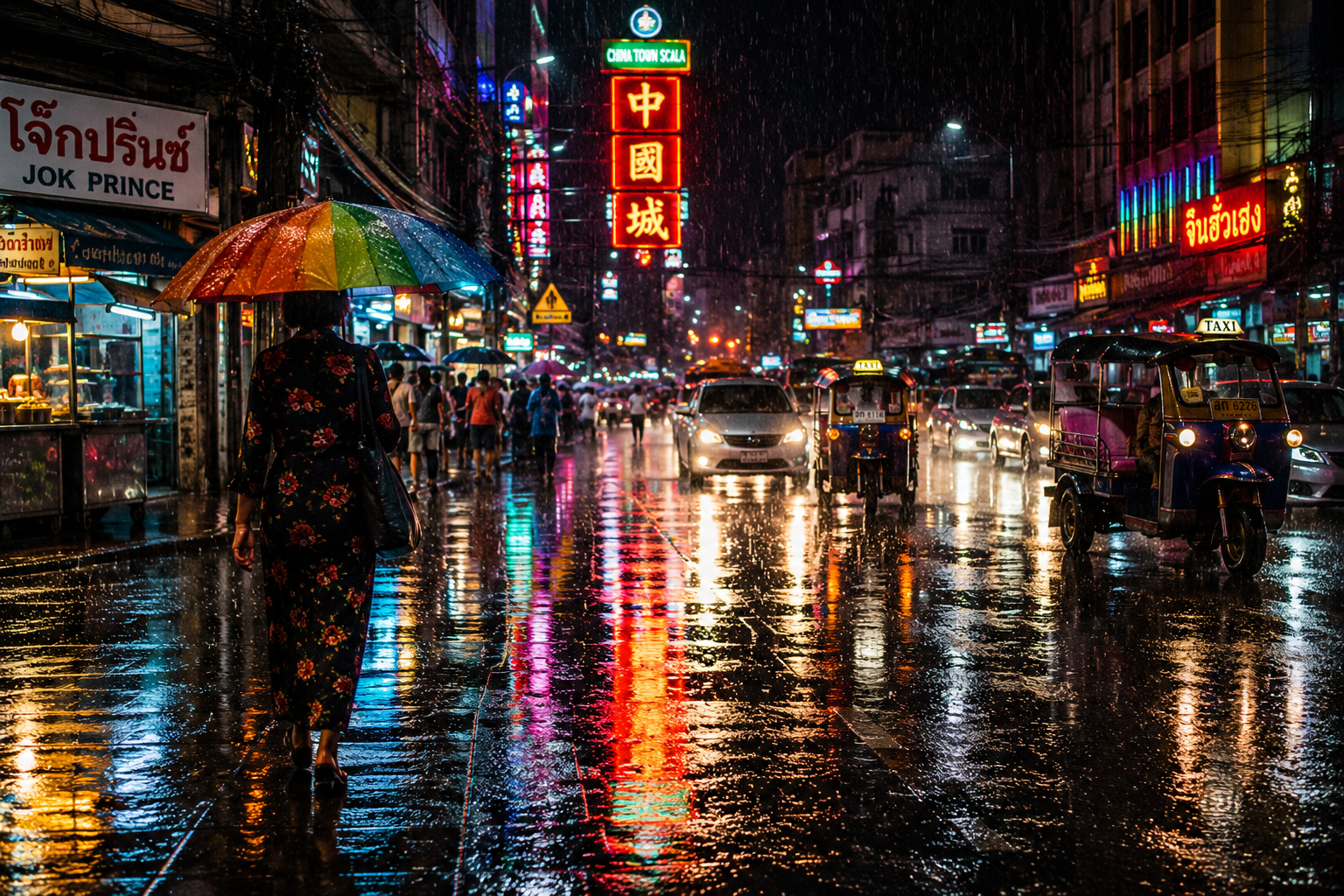
Bangkok has a reputation for chaos, and it's earned. The traffic, the noise, the sheer density of people and activity — it can overwhelm you in minutes. But beneath the surface-level frenzy, there's a rhythm to this city that most visitors never discover. Thais have perfected the art of stillness within movement, and learning it might be the most valuable thing Bangkok teaches you.
The Temple as Time Machine
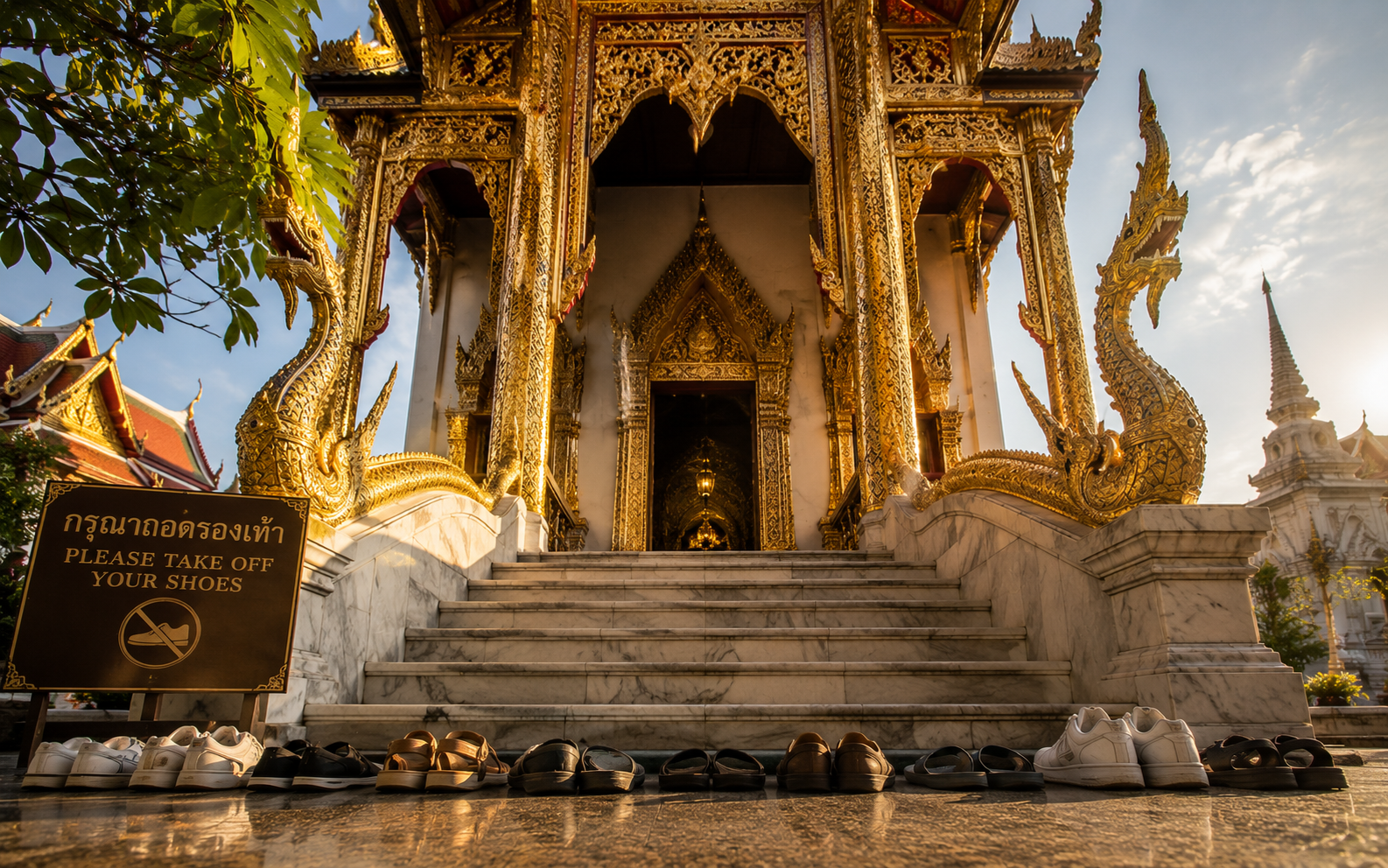
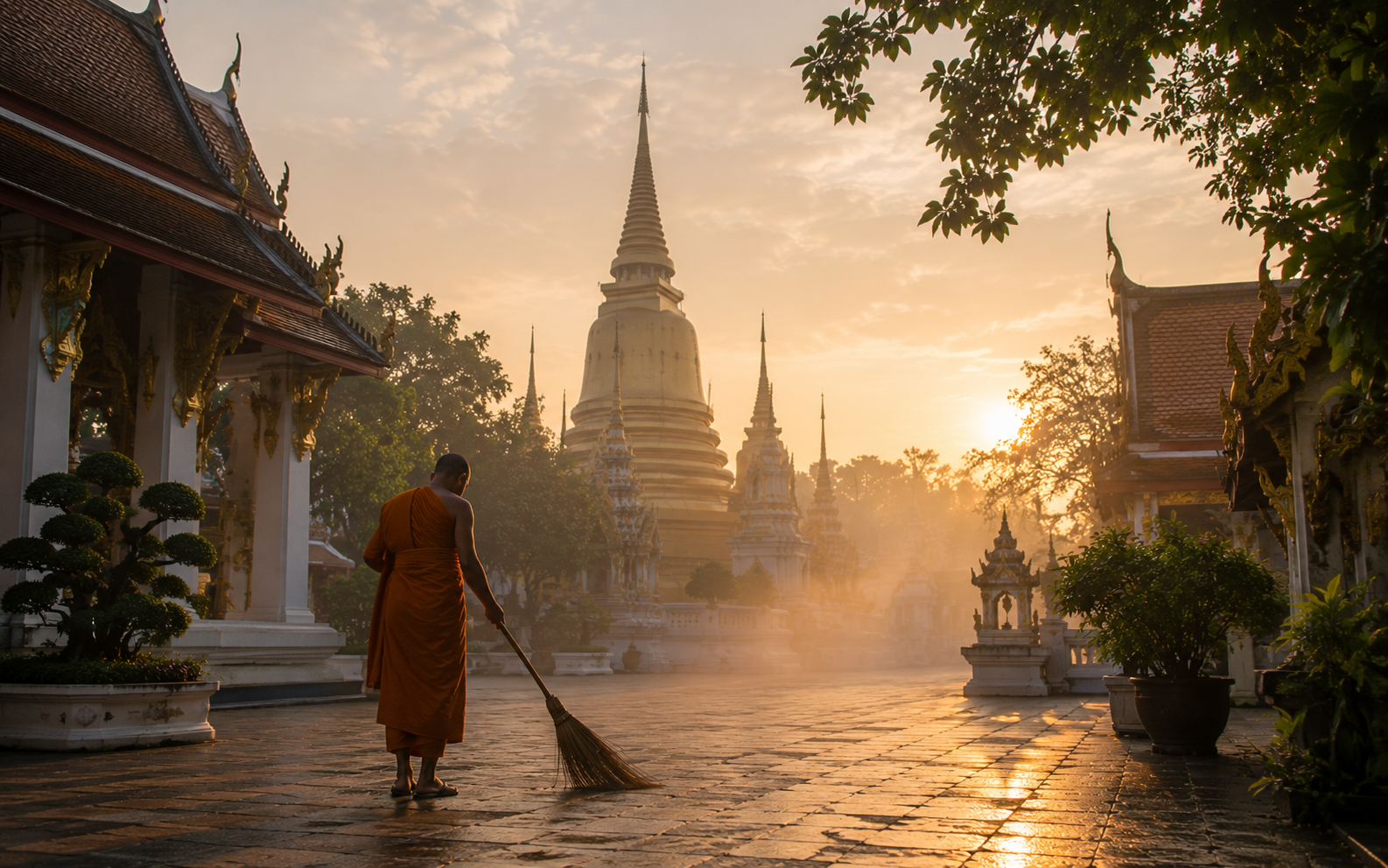
Step through the gates of almost any Bangkok temple and the noise drops by half. The air changes. People move differently — slower, more deliberately. Monks sweep courtyards with a patience that borders on meditation. Incense curls upward. You don't need to be Buddhist to feel the shift. Temples in Bangkok aren't just religious sites; they're breathing spaces carved out of the urban density.
Many temples welcome visitors for morning meditation sessions. Wat Mahathat near the Grand Palace runs a daily English-language vipassana program that costs nothing. You sit, you breathe, you try not to think about your inbox. It sounds simple because it is. But doing it in a room that's been used for exactly this purpose for centuries adds a weight to the practice that a yoga studio app simply can't replicate.
The Coffee Shop as Office, Living Room, and Sanctuary
Thai cafe culture is its own form of slow living. Bangkokians will sit in a coffee shop for four hours with a single iced latte and nobody will look at them sideways. There's no pressure to order more, no passive-aggressive wifi time limits, no barista sighing at your laptop. The cafe is understood as a shared space for being, not just consuming.
Sanuk — The Philosophy of Fun
Thais have a word — sanuk — that roughly translates to "fun," but it means much more than entertainment. Sanuk is the idea that life should contain enjoyment, even in work, even in routine. A construction crew will joke and laugh while laying bricks. A taxi driver will sing along to the radio. The street food vendor will chat with every customer like they're old friends. This isn't performative happiness. It's a cultural agreement that misery is not a prerequisite for productivity.
For people arriving from cultures where suffering is almost celebrated as proof of hard work, sanuk is revolutionary. It gives you permission to enjoy things without guilt — to take a long lunch, to watch the sunset from the pier, to sit in a park and do nothing productive at all.
Stillness as Practice
The lesson Bangkok teaches, eventually, is that slowing down isn't about doing less. It's about doing things with presence. Eating your pad see ew without scrolling. Walking to the BTS without earbuds. Sitting on your balcony and actually watching the city instead of photographing it. Bangkok is loud and fast and relentless — but it also holds, for those who look, a thousand quiet moments every single day.