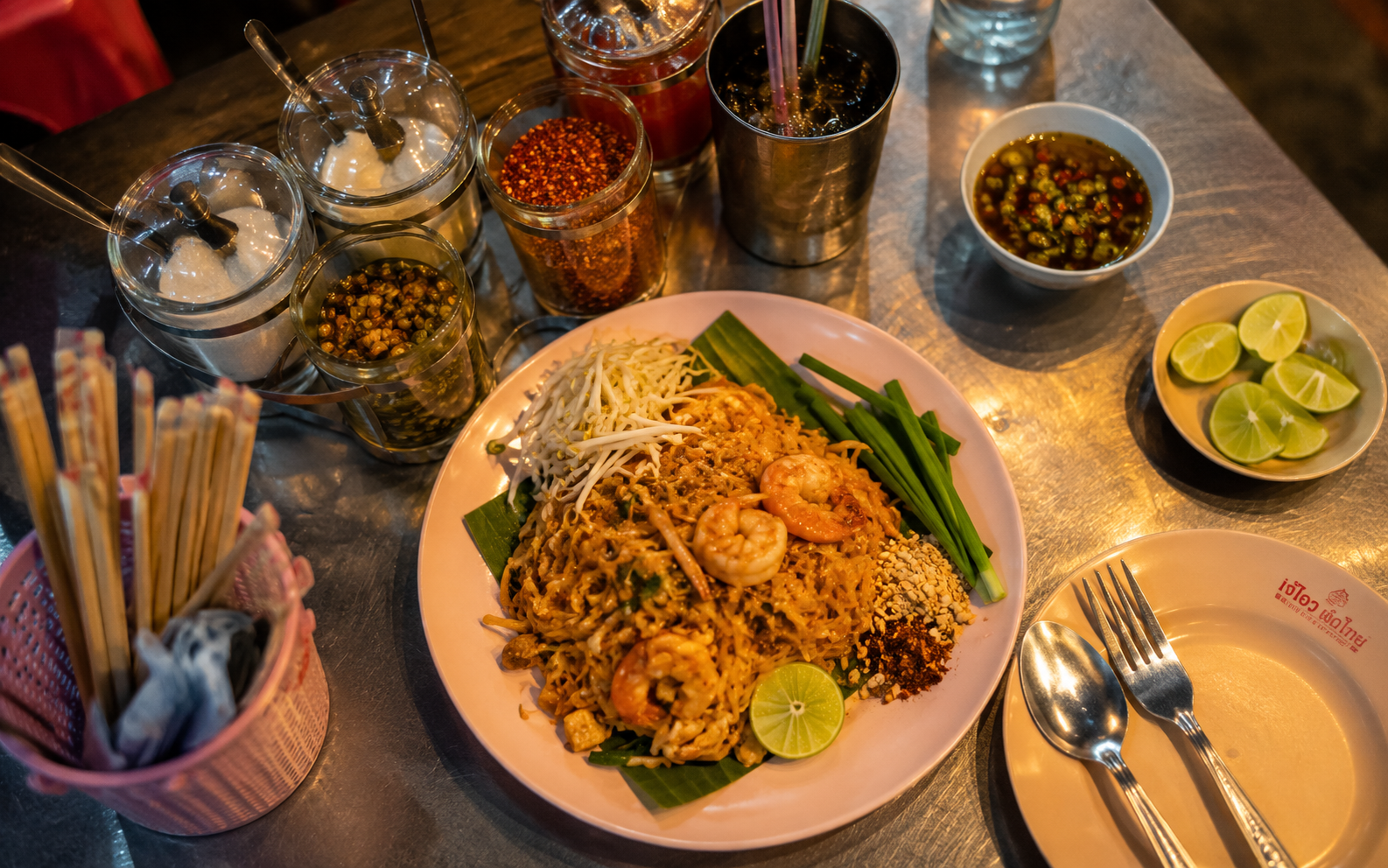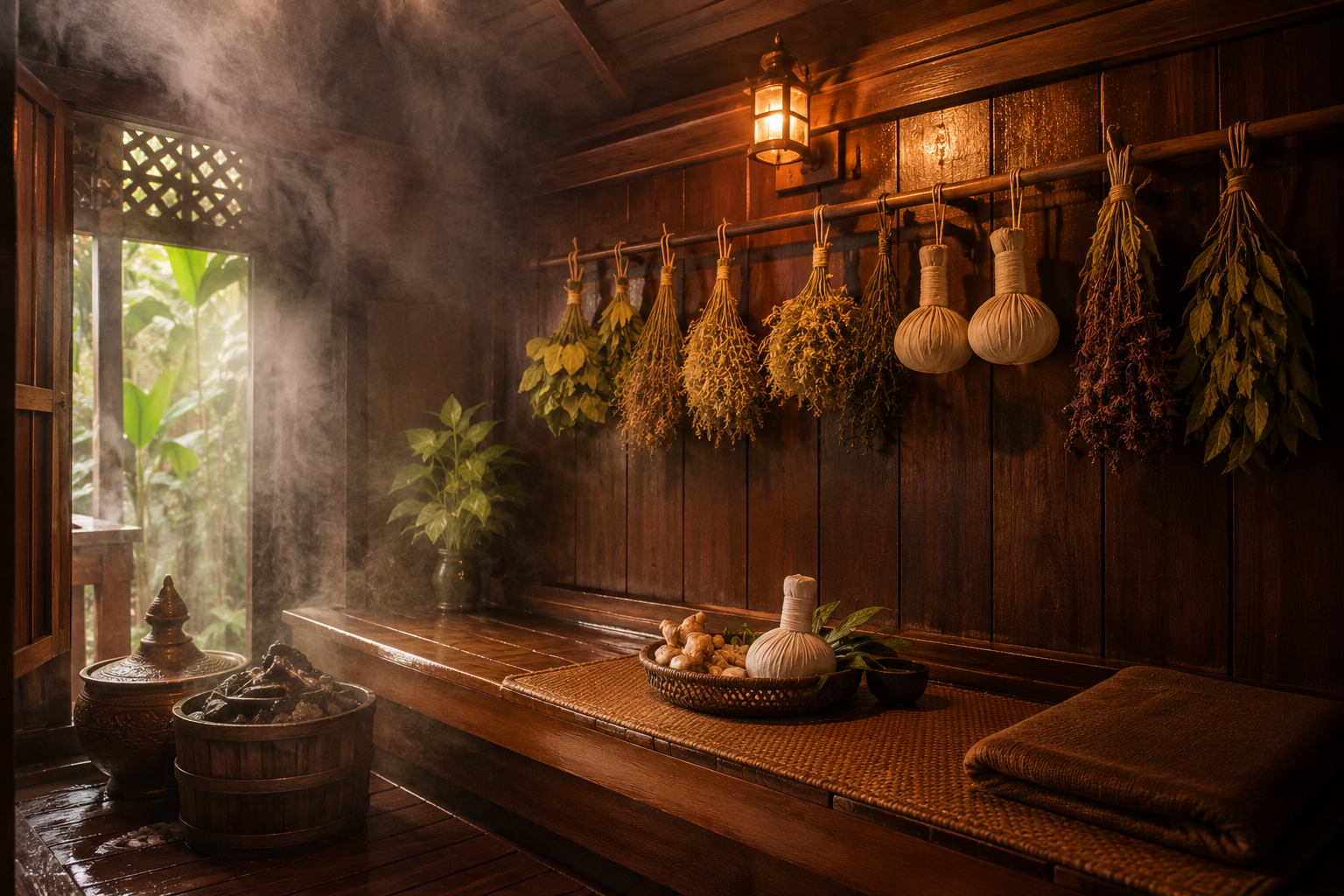
Restaurant Thai food is brilliant. Street food is transcendent. But the dishes that Thai families cook at home — the ones that never make it onto a menu — are a category of their own. Home cooking in Thailand is quieter, less showy, and often far more delicious than anything you'll find in a restaurant.
The Kitchen as Heart of the Home
In Thai households, the kitchen isn't just where food is prepared — it's where family happens. Grandmothers pass down recipes by demonstration, not measurement. "A little bit of this, a splash of that" is the standard instruction. Precision is for bakers. Thai home cooks work by instinct, taste, and memory.
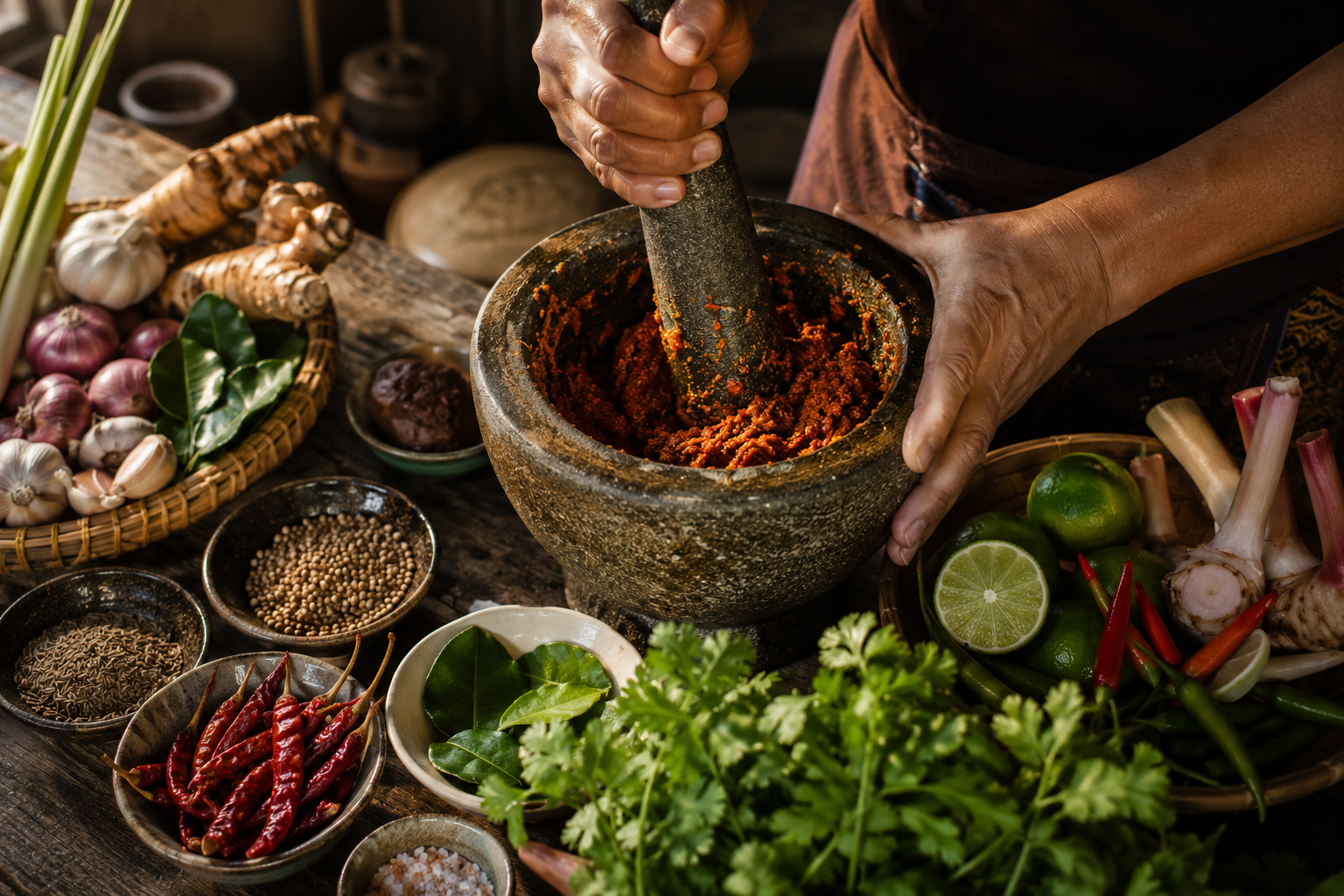
The typical Thai home kitchen is smaller than you'd expect and far less equipped than a professional setup. A wok, a mortar and pestle, a rice cooker, a cutting board, and a few sharp knives — that's genuinely all most families need. Bangkok's culinary history stretches back centuries, and the tools haven't changed much because they didn't need to.
Dishes You Won't Find on a Menu
Every Thai family has a signature dish — something a grandmother perfected and nobody else can quite replicate. It might be a particular nam prik, a chilli relish made with dried shrimp and fermented fish paste, served with raw vegetables and sticky rice. Or a simple gaeng som, a sour curry made with whatever vegetables were at the morning market, sharp with tamarind and fragrant with turmeric.
Kaeng jeud — a clear broth soup with tofu, minced pork, and glass noodles — is comfort food in its purest form. It doesn't photograph well and would never trend on social media, but it's what Thai people actually eat when they're tired, ill, or just want something that tastes like home.
The Morning Market Ritual
Serious Thai home cooks shop daily. The morning market — talat nat — is where the day's meals begin. Vendors know their regular customers by name and set aside the best cuts, the ripest mangoes, the freshest herbs. Shopping here is social, competitive, and incredibly fast. A Thai auntie can assess, bargain for, and bag enough ingredients for three meals in under 15 minutes.
Learning to Cook the Thai Way
If you want to learn Thai home cooking, skip the tourist cooking classes that teach you pad thai and green curry. Find a local who'll let you stand in their kitchen and watch. The real education is in the small things — how they bruise the lemongrass before adding it, how they taste and adjust three times before serving, how they balance a meal across dishes so that every flavour is represented. Thai home cooking isn't about recipes. It's about relationships — with ingredients, with tradition, and with the people you're feeding.